New Forest Partners Launch Strategy for Deer Management
Organisations unite to improve habitats and animal welfare through sustainable deer population control in the National Park.
By Natalie Osborne
••4 min read
AI
Generic image.
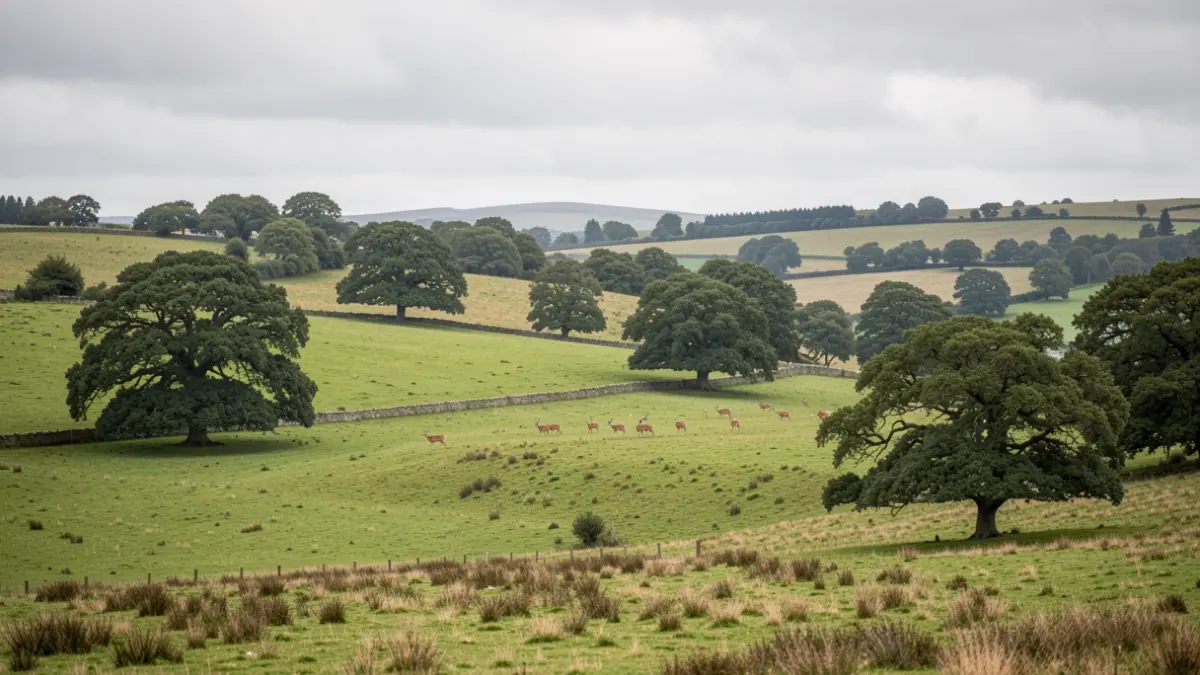
Organisations in the New Forest are developing a strategy to improve habitats through landscape-scale deer management, following a significant increase in deer populations.
The New Forest National Park Authority (NFNPA), Natural England, and the Forestry Commission have secured £240,000 in funding from Natural England’s Protected Site Strategies programme. This funding will support a collaborative effort to manage deer numbers, which have grown dramatically over the past century, impacting the National Park’s protected habitats and the welfare of the deer themselves.
The project aims to learn from local experience, gather scientific data, ensure individuals have the necessary skills for deer reduction, support a venison market for locally sourced meat, and celebrate the cultural heritage of deer in the New Forest. These activities will help partners define and achieve appropriate deer populations for the area.
A Defra spokesperson highlighted that Protected Site Strategies bring together local stakeholders to benefit nature, with sustainable deer management playing a key role in the New Forest’s future.
“
"Deer have been linked to the New Forest landscape for centuries and are an important part of our culture and heritage here – indeed William the Conqueror set up his ‘Nova Foresta’ or New Forest in 1079 as his Royal hunting ground. However, the numbers of deer are now having a dramatic impact on the incredibly special habitats of the New Forest. We want to be at a point where the numbers are appropriate and both the habitats and animals are in a good condition. It’s going to take a concerted effort by landowners, environmentalists, deer stalkers and deer experts to agree what a long-term ecological balance means for the New Forest and how we’re going to achieve that together."
Population growth is attributed to changes in land use, milder weather, and a lack of natural predators, with numbers increasing significantly during the Covid-19 pandemic. High deer densities can lead to vegetation damage, soil degradation, reduced biodiversity, and an increase in road traffic accidents and disease spread.
In some areas, deer numbers are estimated to be three to four times the sustainable level. The New Forest hosts five of the six deer species found in the UK, including native red and roe deer, alongside introduced fallow, sika, and muntjac deer, all contributing to pressure on the landscape.
“
"Native deer are an iconic feature of the New Forest landscape and do play a role in maintaining healthy, wildlife-rich woodlands. However as outlined in the Government’s Deer impact policy statement, current approaches to managing deer haven’t kept up with the rising impacts. Deer don’t adhere to boundaries, so it’s essential to agree a way forward at a landscape scale. Through the project we will be gathering local knowledge, data and evidence, including drone footage so we know exactly what’s happening on the ground."
“
"We live in one of the most nature-depleted nations on earth, composed of modified landscapes which need progressive management to restore and recover our treasured wildlife. The good news is we know how to do it and we can do it. But to ensure we establish the richest mosaic of habitats, we unfortunately have to make some hard choices and managing a burgeoning population of deer is one of them. And let’s be clear, this is not sports shooting or hunting, this is about culling, management. If we want to reforest, if we want sustainable populations of woodland birds and butterflies, we currently have no other options. A joined up national policy implemented and supported by science will make a difference for biodiversity."
The project is part of a nationwide expansion of Natural England’s Protected Site Strategies programme, funded by Defra, aiming to restore precious landscapes and habitats across England.