Thanet Council Proposes £1.22m Boost for Waste and Street Cleansing
A draft budget strategy for 2027/28 includes a significant investment in waste collection and street cleansing, funded by internal savings.
By Natalie Osborne
••3 min read
AI
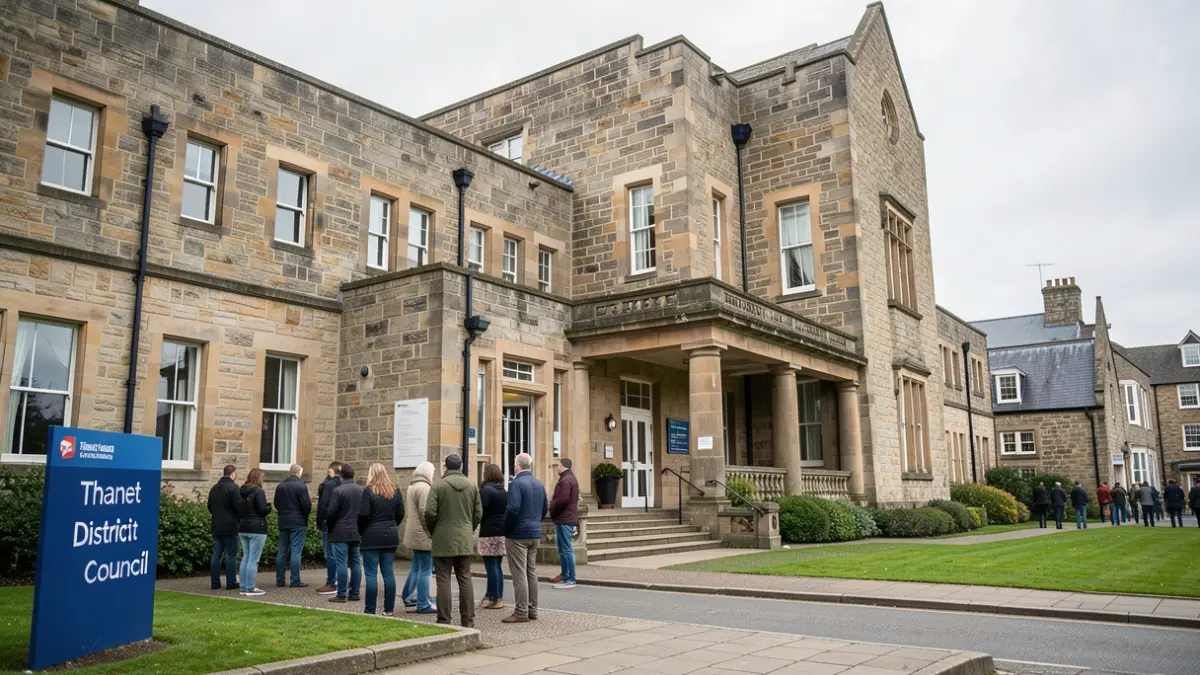
Generic image of a council building facade.
Thanet District Council is proposing a permanent £1.22 million increase to its domestic waste collection and street cleansing budget for the 2027/28 financial year.
The proposal is a central part of the draft 2027/28 Budget Strategy, which is set to be reviewed by the Cabinet on Thursday 26 November. This funding boost is to be entirely financed through savings and efficiencies identified in other service areas.
The council, like many local authorities, is experiencing significant financial pressures. These include increased demand for statutory services such as homelessness support and Housing Benefit, as well as operational challenges in waste and street cleansing. The deferral of Local Government Reorganisation in Kent until 1 April 2029 also means Thanet District Council must maintain its financial independence with low reserves for an additional year.
The proposed Budget Strategy details how the council will meet its legal obligation to set a balanced budget without utilising financial reserves, while simultaneously advancing its Corporate Plan priorities and safeguarding frontline services for residents. Following an independent peer review of waste services, the additional funding aims to address ongoing pressures stemming from population growth, increased fleet and fuel costs, and staff sickness.
To finance this without impacting frontline services, approximately £1.5 million in provisional savings has been identified across other departments. This is achieved through the deletion of mostly long-standing vacant posts, the removal of historic unspent budgets, and continued efficiency improvements. The strategy also introduces strict departmental cash limits and accelerates the sale of surplus council property to reduce maintenance costs. Furthermore, it continues a £42 million programme to acquire additional properties for temporary accommodation for homeless residents, which is expected to reduce reliance on expensive nightly-paid private housing and generate net savings for taxpayers.
In addition, the Cabinet will review budget monitoring for the second quarter of the current financial year (2026/27). This forecast indicates a £1.455 million in-year pressure, primarily from waste services, although progress in homelessness services means they are now expected to remain within budget. The Cabinet will also consider the council’s response to an independent assurance review by the Chartered Institute of Public Finance and Accountancy (CIPFA). CIPFA acknowledged the council's clear financial reporting, close spending oversight by senior leaders, and decisive actions to maintain budget control, with its recommendations being integrated to ensure financial stability.
“
"Clean streets and reliable bin collections are top priorities for local people. Our proposed strategy puts front and centre a £1.2 million investment in these everyday services. Residents can also be assured that there is no proposal to increase our council tax precept above the government-set threshold of 2.99% or a maximum of £5 a year for a Band D household."
“
"The 12-month delay to local government reorganisation means we must manage rising pressures independently for longer without dipping into limited reserves. By finding sensible internal efficiencies, enforcing strict cash limits and buying more temporary accommodation properties, we have a responsible plan to balance the budget and protect vital services. Subject to Cabinet’s decision on Thursday 26 November, I encourage residents to share their views in our consultation."
If approved by Cabinet, a public consultation will take place from the week commencing Monday 30 November until Thursday 7 January, conducted via the annual residents’ survey sent to 7,000 randomly selected households. An open online survey will also be available on the council’s online engagement platform, Your Voice Thanet.