The project, a collaboration between Brighton & Hove City Council and Historic England, secured funding through the Countryside Stewardship programme. It will employ a range of archaeological and historical research techniques to build a comprehensive understanding of Stanmer's past and inform its future management.
Councillor Alan Robins, Cabinet Member for Sport, Recreation and Libraries, expressed enthusiasm for the project, stating, “Much of Stanmer Park’s history has been well documented, but there is still so much more for us to discover and learn. We are delighted to have this wonderful opportunity to delve deeper into the history of this well-loved park and unearth more stories of its fascinating past.”
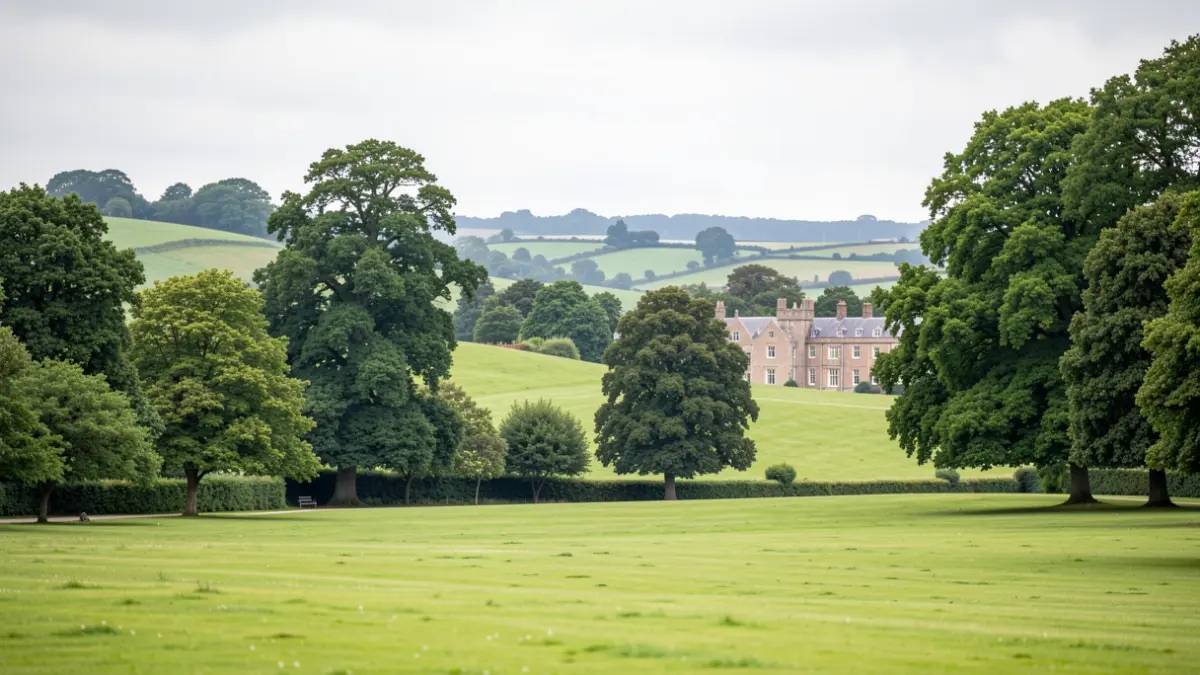
Located within the South Downs National Park, Stanmer Park is Brighton & Hove’s largest public space. Its history includes evidence of a Saxon settlement, 18th-century agricultural buildings, a walled garden, and a manor house built in 1722. The park's landscape was developed in the style of Capability Brown. During the Second World War, the park was used by a Canadian regiment involved in the Dieppe Raid and D-Day landings.
The study, delivered by global consultancy Stantec in partnership with the council, will explore the estate's evolution over thousands of years. Researchers will use desk-based historical research, site walkovers, drone surveys, and geophysical investigations to identify traces of past activity.
Stanmer Estate is recognised as a significant heritage asset, with evidence of human activity stretching back across numerous historical periods. The project aims to uncover hidden stories, including evidence linked to Roman occupation and wartime activity, contributing to Brighton & Hove's identity and informing future conservation decisions.
Findings will be presented through public content and an interactive digital StoryMap, allowing exploration of the estate's history, archaeology, and landscape. Updates will share emerging discoveries and the final findings.