
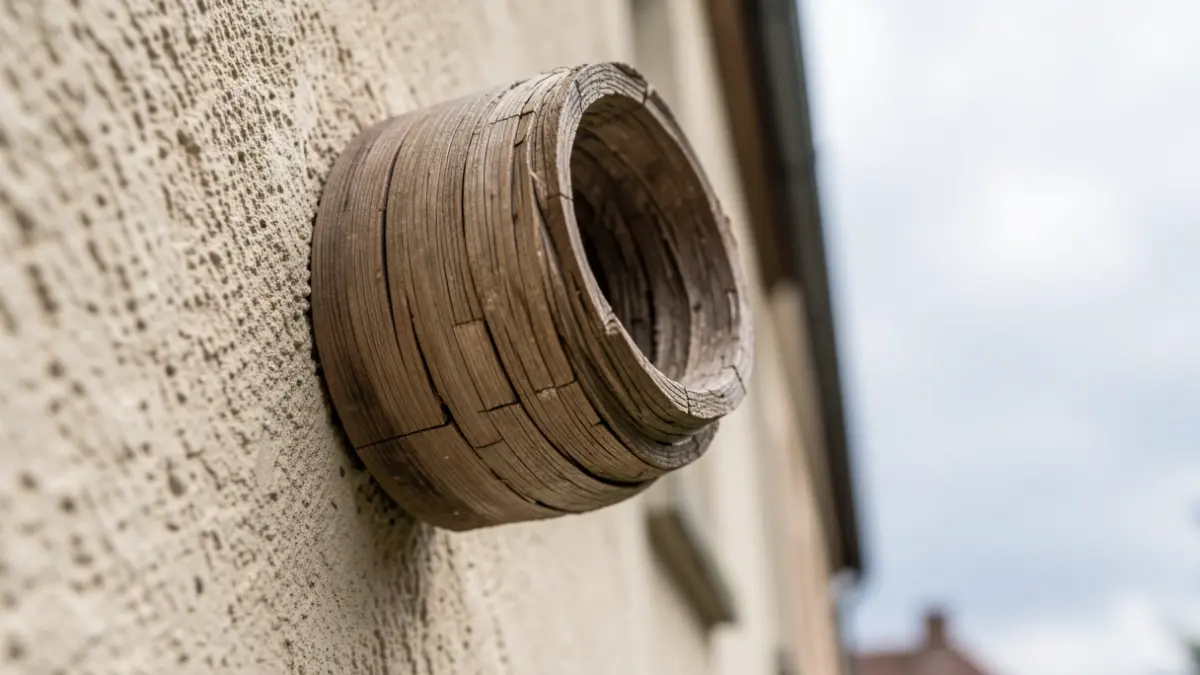
Following a successful pilot last year, the society plans to install up to 900 artificial nest ‘cups’ across Hampshire before the birds return from Africa in April and May 2027. Properties must be within 1km of a previously recorded house martin nest. In the New Forest, colonies have been concentrated along the Lymington, Beaulieu, and Avon rivers.
Host buildings require suitable overhanging eaves at second-story level, between four and seven metres from the ground. Interested parties can check suitability and request free nests at www.hampshirehousemartins.org.uk. The UK House Martin population has fallen by 40% between 1995 and 2024, partly due to poor breeding success, predation, and declining insect numbers.
The artificial nest cups are made from woodcrete, offering a stronger and more durable alternative to traditional mud nests. Nigel Matthews, volunteer coordinator for the Hampshire House Martin Project, stated that their pilot showed house martins readily use these artificial nests when placed near existing colonies.
The project aims to provide hundreds more safe, ready-made nests, offering a practical way for homeowners, schools, and businesses to support the recovery of this threatened bird. During the pilot, 249 artificial nest cups were installed, with 27 being used by house martins this summer.
The scheme is led by Hampshire Ornithological Society and supported by various organisations including Birds on the Brink, the New Forest Biodiversity Forum, and the New Forest National Park Authority’s Sustainable Communities Fund. House martins are identifiable by their blue-black upperparts with a white rump and white underparts.