
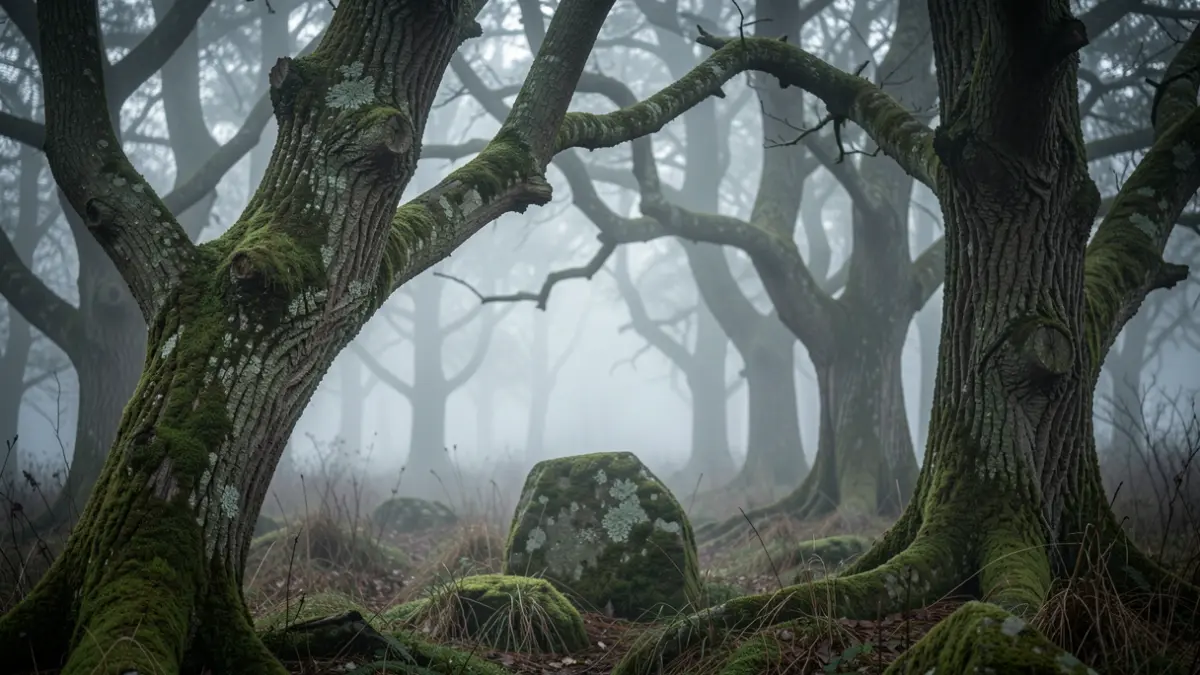
The New Forest National Park is inviting visitors to explore its more mysterious side this autumn, uncovering tales of ghosts, dragons, hauntings, and a village dedicated to witches. The park is rich in curious creatures and folklore, offering a tentative trip into all things spooky.
The park is home to fascinating fungi, including the rare Devil’s Fingers (Clathrus archeri), first found in the New Forest around the year 2000 and now spread across the area. This fungus emerges from a jelly-like golf ball-sized 'egg' with red tentacles covered in an evil-smelling, olive-coloured slime containing spores.
Leeches, specifically the European medicinal leech (Hirudo medicinalis), also feature, with their reputation for consuming large amounts of blood. Despite their spine-chilling reputation, the species is at risk in the UK, with the New Forest being one of its few remaining strongholds.
The New Forest is a significant habitat for bats, with 14 of the UK's 18 species found here, including three particularly rare ones: greater horseshoe, Bechstein’s, and barbastelle. Conservation efforts are underway to protect these species, a quarter of which are threatened globally.
Spiders, with their intricate webs, are also highlighted as perfect for spooky season. These creatures play a vital role in controlling insect populations and providing food for birds. Autumn mornings offer a chance to spot their dew-covered webs in various habitats across the park.
Beyond wildlife, the park is steeped in folklore and fable, blending medieval legends, ghost stories, pagan traditions, and fairy lore. Tales of smuggling, like that of Miss Lovey Warne in Burley, and the legend of the Bisterne Dragon slain by Sir Maurice Berkeley, add to the area's mystique.
The village of Burley, once home to the 'white witch' Sybil Leek, now features several gift shops with a magic and folklore theme. The legend of the Bisterne Dragon is said to have resulted in Bolton’s Bench, an iconic hill at Lyndhurst, being formed from its body.