On 21 October 1805, Captain Charles William Adair, a Royal Marines officer, stood aboard HMS Victory during the Battle of Trafalgar. While not a sailor, Adair commanded the Marines on Nelson's flagship, preparing for intense combat. He tragically did not survive the day.
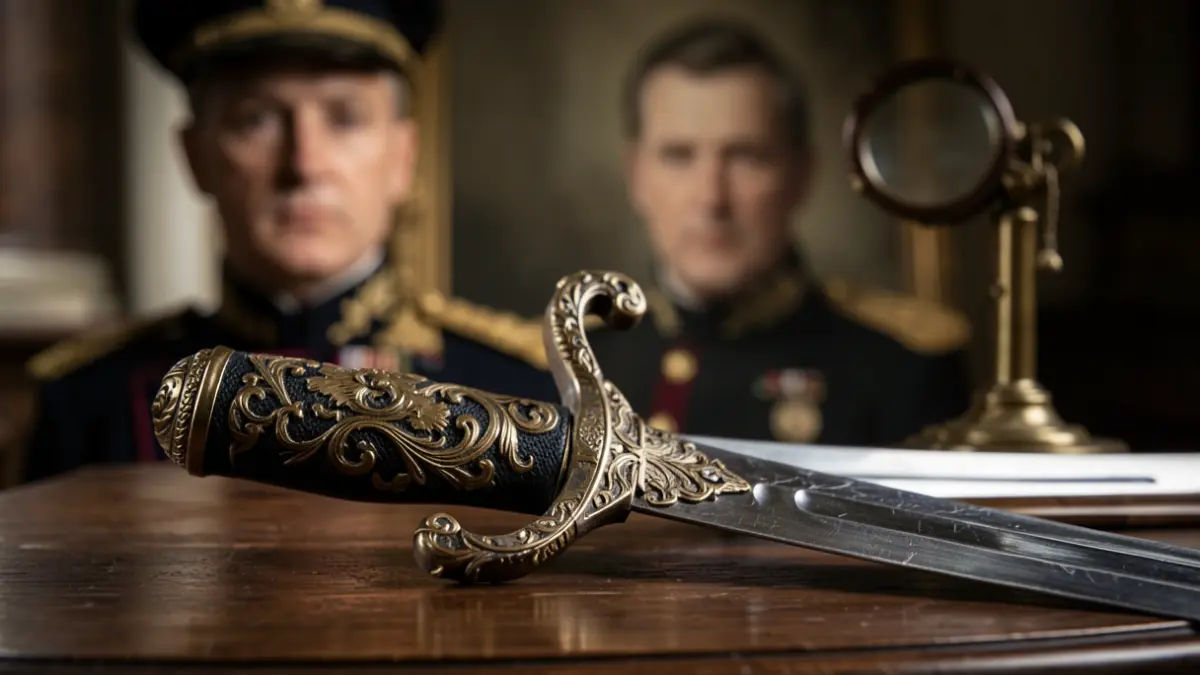
More than two centuries later, Adair's portrait, sword, lorgnette, and pistol, along with possessions of other Royal Marines who fought at Trafalgar, are preserved in the Royal Navy Museums collection. These artefacts provide a personal connection to the battle, often overshadowed by its commanders and warships.
By October 1805, Britain had been at war with France for over two years. Nelson's strategy involved dividing his fleet to break the enemy line, bringing ships into close combat. For those aboard HMS Victory, the lead ship, this meant enduring enemy fire before engaging.
The Royal Marines served as a disciplined fighting force on warships, responsible for ship security, musket fire against enemy personnel, repelling boarders, and assisting with gun crews. Of the 147 Marines on board Victory, 40 were on the upper deck, with others supporting gun crews.
These roles placed Marines in exposed positions, especially during close-quarter combat. The detachment aboard Victory was led by Captain Charles William Adair, supported by officers like 2nd Lieutenants Lewis Buckle Reeves and Lewis Roteley. They were about to participate in a pivotal naval engagement.
As HMS Victory advanced, it came under heavy fire, particularly engaging the French ship Redoutable. The Royal Marines played a crucial role in defending Victory against musket fire and boarding attempts. Captain Adair was directing this defence when he was fatally struck by a musket ball.
While Nelson's death is well-known, Adair's story is less familiar. However, his preserved objects, including a portrait, dress sword, lorgnette, and flintlock pistol, offer insights into his life and status as a Royal Marines captain.
The survival of these objects allows for a more individualised understanding of the battle, moving beyond the general casualties. The experiences of surviving Marines, such as 2nd Lieutenant Lewis Roteley, also provide valuable perspectives. Roteley, who joined the ship only months before, took command of the Marines after Adair's death and other officers were wounded.
Roteley's account highlights his pride in commanding the Marines on Nelson's ship and laments Captain Adair's death. Despite sustaining slight head wounds himself, Roteley remained on deck.
The Royal Navy Museums collection also holds items from other Marines, including a Naval General Service Medal awarded to 2nd Lieutenant Lewis Buckle Reeves, who was wounded, and a medal for George Underhill, a Royal Marine drummer aboard HMS Tonnant. Drummers played a vital role in communicating orders and regulating shipboard life.
These artefacts, alongside personal weapons and accounts, help build a comprehensive picture of the Royal Marines at Trafalgar, extending beyond the most famous names and events. HMS Victory remains at Portsmouth Historic Dockyard, offering a physical connection to the battle.
The new Royal Marines Experience, opening at Royal Navy Museums: Portsmouth on 24 October 2026, will further explore the history of the Royal Marines, from the age of wooden warships to the present day, highlighting the individuals behind the Green Beret.