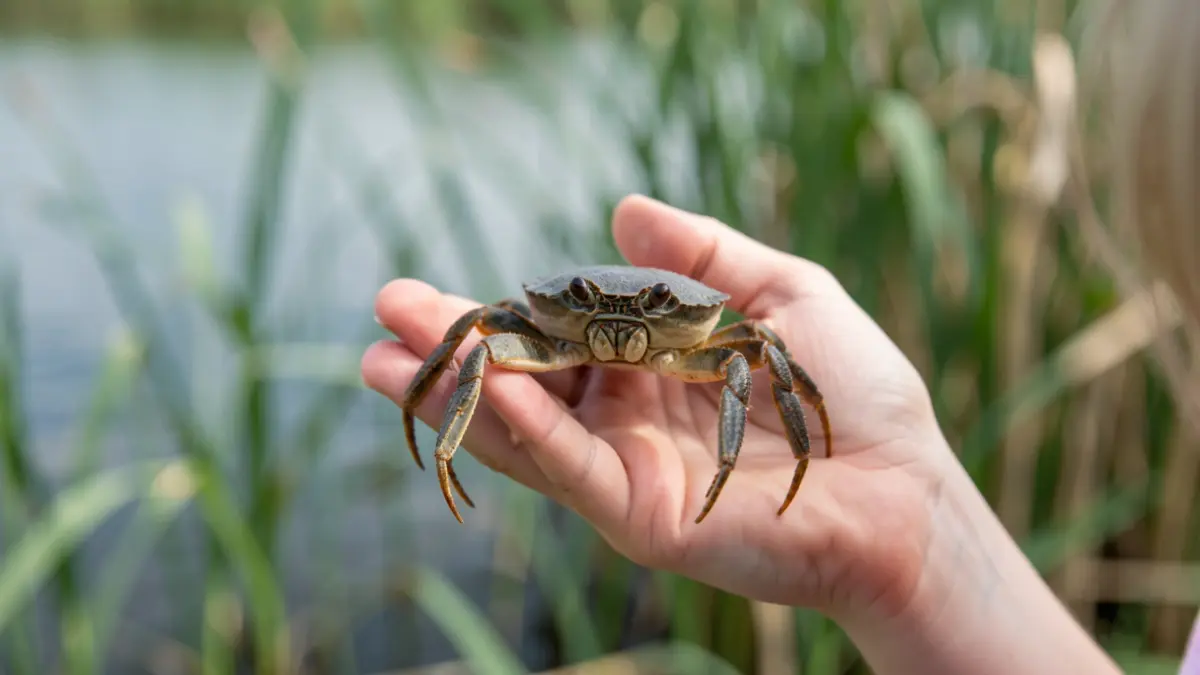
The initiative aims to rescue and relocate crabs from the lake before crucial improvement trials commence. Children will use hook-free crab lines and pots to collect the crustaceans, which will then be safely released back into the sea. Academics from the University of Portsmouth's Institute of Marine Sciences will be on hand to identify and measure the crabs, gathering vital ecological data for research into the health of local marine environments.
Organised by Portsmouth City Council, the operation is designed to protect local wildlife prior to a trial aimed at removing excess sediment from the lake, scheduled to begin the following day. Years of sediment build-up have led to shallower areas in the lake, contributing to seasonal algae growth and water quality issues. The sediment removal trial is expected to enhance the lake's long-term health and water quality.
Professor Alex Ford, from the School of the Environment and Life Sciences, highlighted the educational aspect: "It’s great to be working with the council, not only in rescuing the crabs but providing an opportunity for school children to engage in marine biology. This project will allow them to generate their own data to use in class for a wide range of subjects."
“"Canoe Lake is one of Portsmouth's most loved open spaces and an important habitat for a variety of wildlife."
“"This project is a great example of organisations coming together to care for the local environment while giving young people the opportunity to get involved in hands-on conservation work."
“"The crab rescue will help protect wildlife while we carry out an important trial to better understand how we can improve the long-term health of the lake."
The trial is part of ongoing efforts to improve the ecological health of Canoe Lake. Excess sediment can lead to reduced oxygen levels, restricted water movement, and increased algae growth, particularly in warmer months. The results of this trial will inform future management strategies for the lake.