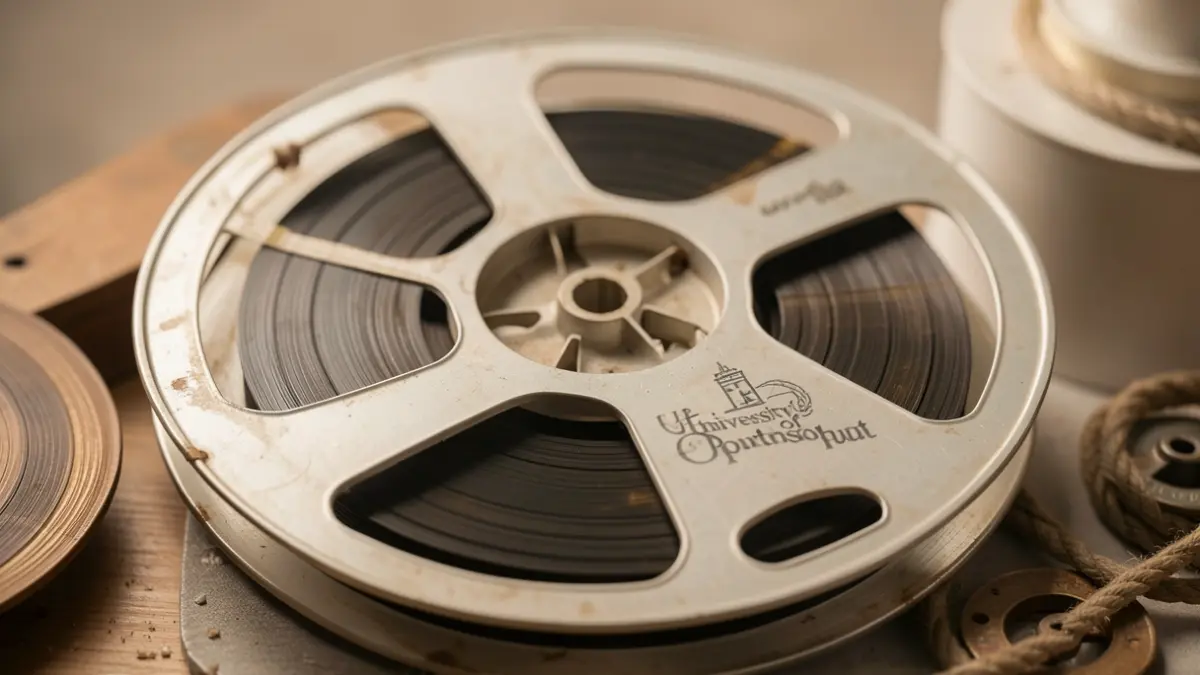
The remarkable recordings, which include underwater footage unseen for over 40 years, will be publicly unveiled this weekend at a special event hosted by The Mary Rose Museum at Portsmouth Historic Dockyard. This ambitious project is part of a partnership between the University and The Mary Rose Trust, following three years of dedicated fundraising and the acquisition of specialist equipment.
Charlie Watts, Associate Head of Global Engagement and Educational Partnerships at the University’s School of Film, Media, and Creative Technologies, expressed pride in the team's achievement. He stated, “In many ways, this project has been a win for everyone involved. It has strengthened an already fruitful collaboration between the University of Portsmouth and the Mary Rose Trust, rescued irreplaceable historical images from increasingly vulnerable videotapes, and provided our students with invaluable hands-on experience of heritage preservation.”
Students from the University of Portsmouth’s BA (Hons) Film Production and Post-Production for Film and Television BA (Hons) courses contributed to the project, gaining valuable experience while helping to preserve nationally significant maritime heritage. Student Jake Thorn described it as a "monumental project" that allowed him to develop career skills and "leave my own mark by helping to find out what was on the tapes long after the Mary Rose was raised." Fellow student Oliver Wibrew highlighted the urgency, stating, "Working with the deteriorating tapes showed me exactly why we had to do this project now and not wait any longer."
The Mary Rose, King Henry VIII’s favourite warship, sank in 1545 and was rediscovered in the 1970s, with a dramatic raising in 1982. Fears had grown that the tapes capturing this period were deteriorating. Alastair Miles, Collections Manager at The Mary Rose Trust, noted that the digitisation project is crucial for preserving the story of the salvage for future generations, calling the University's support "invaluable at a pivotal moment for the archive."
The digitised footage will be showcased at the ‘Take a Dive into Digitisation’ event this weekend, where visitors can witness live demonstrations of the professional broadcast videotape equipment and learn from museum professionals and university researchers. Charlie Watts added, “Recovering these remarkable recordings has required considerable patience, technical expertise and determination, and this weekend we’re delighted to share the results with the public, including original underwater footage of the Mary Rose that hasn’t been seen for over 40 years.”
This collaboration builds on a Memorandum of Understanding (MoU) signed in May 2024 between the Mary Rose Trust and the University of Portsmouth, formalising a relationship that has already fostered joint research, innovation, student placements, and public engagement. Key contributors to the digitisation effort include Jake Esberger from Gravity Media, academics from the University’s Faculty of Creative and Cultural Industries, and students Oliver Wibrew, Nathan Pattinson, Jake Thorn, Joseph Tilbury, and James Watts.