University of Chichester Researchers Aid Defence Capability Trials
Academics collaborate on Dstl's HEADS UP project to enhance soldier performance and reduce injury risks with new head-mounted technologies.
By Natalie Osborne
••2 min read
University of Chichester. Website by Feel Created
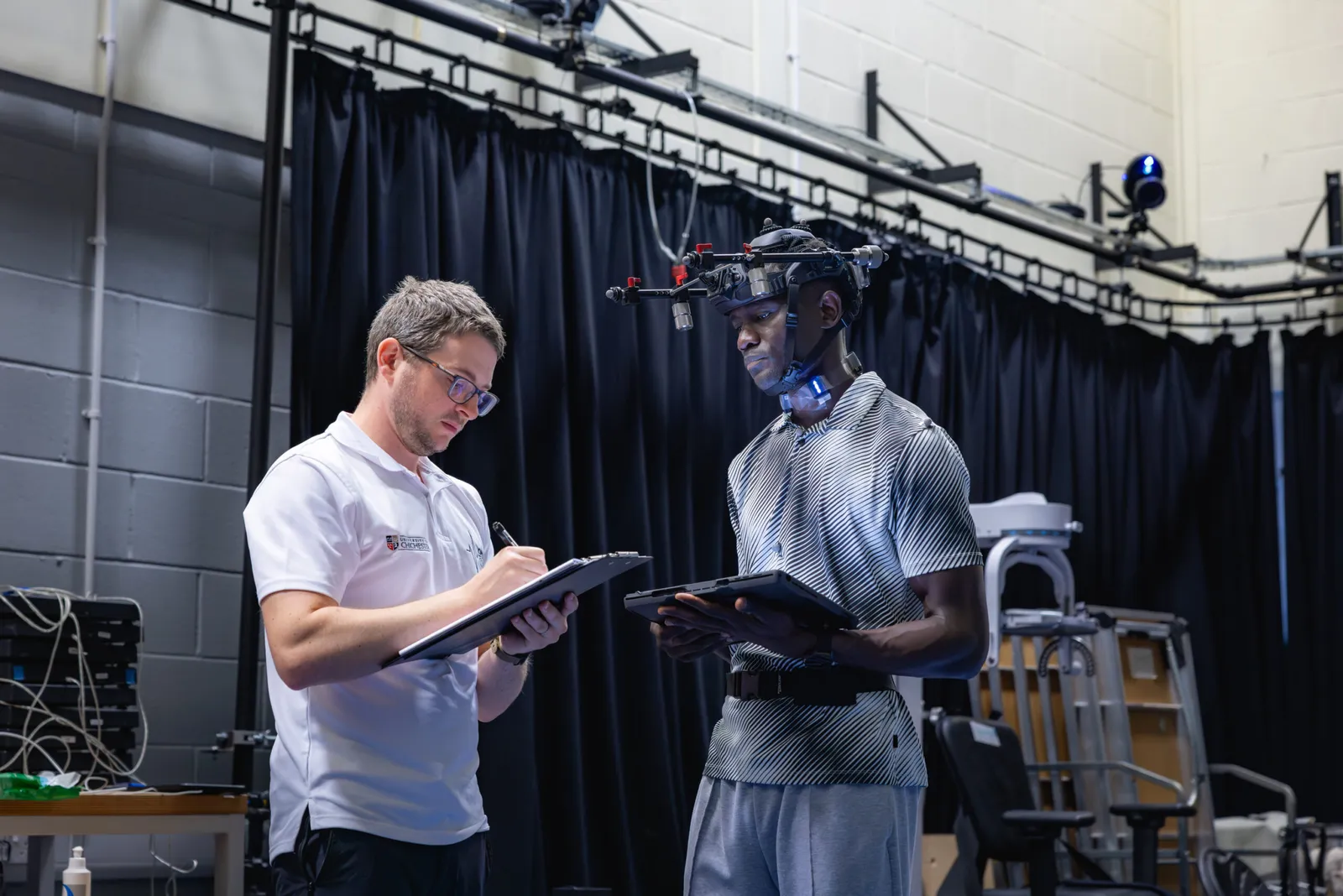
Researchers at the University of Chichester are collaborating with the Defence Science and Technology Laboratory (Dstl) and QinetiQ on the HEADS UP trial, exploring how emerging head-mounted military technologies can influence soldier performance and reduce injury.
The HEADS UP trial employs a human-centred design approach to novel capabilities worn or carried by soldiers, aiming to enhance warfighter performance and minimise the risk of long-term injury. Modern soldiers are equipped with numerous head-mounted technologies, including night vision goggles and increasingly, virtual and augmented reality systems. However, increased mass on the head can lead to greater metabolic and thermal demands, neck strain, and cognitive load, potentially impacting performance.
Serving soldiers from various regiments, including the Queen’s Royal Hussars, Princess of Wales Royal Regiment, Royal Dragoon Guards, and Royal Engineers, are participating in the research trial at the University of Chichester. They are testing custom-designed rigs simulating different head-mounted load configurations while performing representative military tasks.
“
"The Occupational Performance Research Group at the University of Chichester specialises in improving health and performance in physically demanding occupations, particularly the military. Our work ranges from collecting data in the field and running studies in our sport and exercise science laboratories. For this particular project we have brought together a multidisciplinary team of researchers from the University of Chichester and QinetiQ to investigate the effects of carrying additional load mass on the physical and cognitive aspects of soldier performance."
“
"The trial puts the soldier at the centre of new equipment design. By reducing the negative effect of equipment, such as fatigue, we can improve performance and effectiveness. This will improve the soldier’s lethality, agility, and resilience. A comprehensive range of physiological, biomechanical, and cognitive measures are being collected, including movement speed, muscle activity, motion capture, metabolic cost, cognitive performance, and eye-tracking. Together, these assessments provide an interdisciplinary understanding of how head-mounted equipment influences soldier performance."
The findings from this trial will support the development and adoption of new capabilities across the Ministry of Defence through a human-centric approach. Picture credit: Dstl/MOD Crown Copyright.