Rare Butterflies Thrive at South Downs Farm Following Nature Recovery Efforts
Halnaker Hill Farm records significant increases in protected butterfly species, showcasing rapid ecological improvement.
By Natalie Osborne
••3 min read
AI
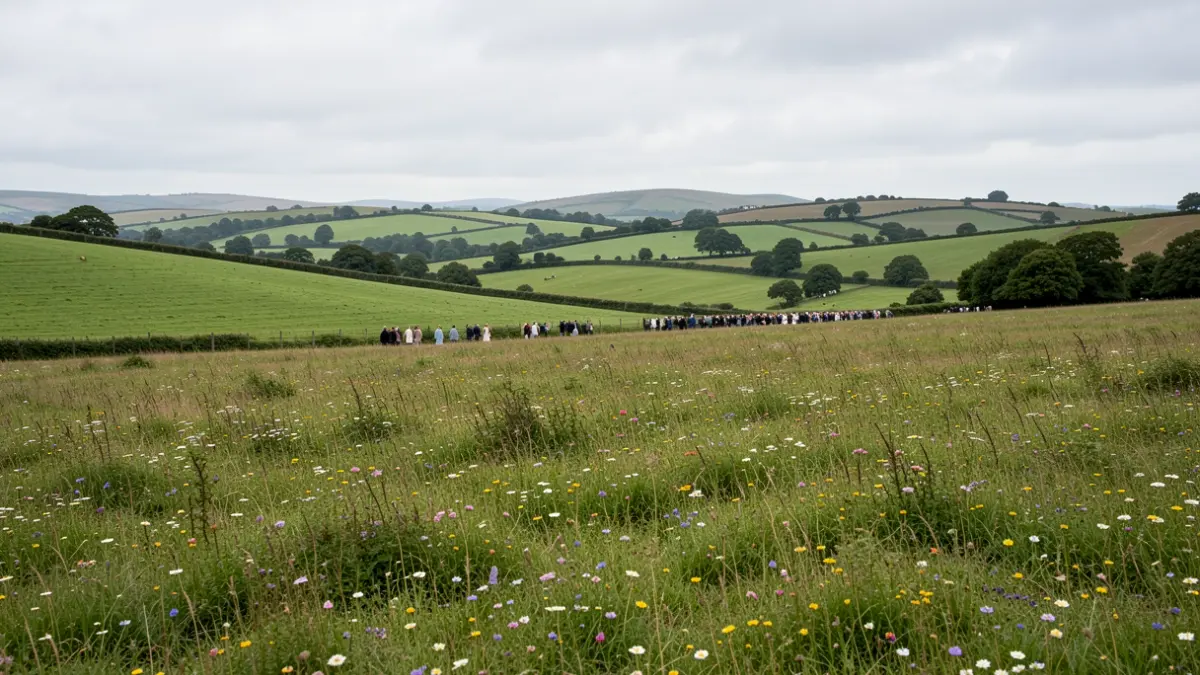
Generic image.
Two nationally important butterfly species, the Small Blue and Dingy Skipper, have been recorded for the first time at Halnaker Hill Farm in the South Downs National Park, signalling a significant success in nature recovery efforts.
Surveys conducted at Halnaker Hill Farm in the South Downs National Park have recorded 85 Small Blue and seven Dingy Skipper butterflies, both designated species of principal importance under the Natural Environment and Rural Communities Act 2006 (NERC Act). These species had never previously been recorded at the site.
Additionally, 547 Small Heath butterflies, another species of principal importance, were recorded. While this species has occurred at the farm before, numbers were smaller previously. The survey also noted eight Sulphur Pearl moths, a highly localised species typically seen in small numbers.
Ecologists recognise the variety and abundance of butterflies as a key indicator of a site's overall biodiversity. This is a crucial measure for the team at Halnaker Hill Farm as they work to transform 330 acres of intensively farmed land into a habitat rich in flora and fauna.
In total, 5,290 individual butterflies representing 28 species were recorded at Halnaker in 2026 across three main surveys in May, June, and July, supplemented by 127 additional counts. The surveys were conducted by renowned butterfly expert and conservationist Neil Hulme.
“
"Butterflies are widely recognised as valuable environmental indicators, both for their rapid and sensitive responses to habitat or climatic changes and as representatives for the diversity and responses of other wildlife. Where butterflies occur in diversity and numbers, it is highly likely that other aspects of the local fauna and flora are in good shape."
“
"These data clearly indicate how rapidly and spectacularly the rich mosaic of habitat types at Halnaker Hill Farm has developed, in terms of its ecological value, at a remarkably early stage in the project."
The Halnaker Hill Farm team collaborates with consultants from the South Downs National Park Authority, which is spearheading the "ReNature" programme to combat biodiversity loss and adapt to climate change. Over 7,700 hectares are being converted into nature havens, with Halnaker Hill Farm highlighted as a major success.
The project is expected to deliver over 850 Biodiversity Net Gain (BNG) units, assisting developers and individuals in meeting environmental obligations. Nick Heasman, Head of Natural Capital for the South Downs National Park, described the survey results as "extraordinary" and expressed excitement about nature's rapid return to the site, noting the transformation from arable land in just two years.
“
"Biodiversity loss is one of the biggest threats we face. Creating a more biodiverse and resilient landscape with healthy soils is vital to help tackle the challenges we all face such as changing climate, food security and water shortages."
Halnaker Hill Natural Capital (HHNC) owns the project, with commercial aspects managed by Chichester-based Kingsbridge. Greg Lukasiewicz, Sales & Marketing Director at HHNC, praised Neil Hulme's survey for providing evidence of biodiversity gains and the site's value as a BNG land bank.
Further information on Halnaker Hill Farm and its BNG units is available at www.halnakerhill.co.uk. For details on the National Park's BNG or carbon consultancy services, contact https://www.southdowns.gov.uk/renature-credits/contact/.